


















There is a specific, delightful kind of friction that puzzle gamers crave. It’s that moment when you stare at a screen, absolutely convinced that the game is broken, or that the developers made a mistake, only to have a sudden epiphany three hours later while you're trying to sleep. That “Aha!” moment is the drug we’re all chasing, and 2026 is a fantastic year to dive back into the genre on PC.
We aren't just looking for simple matching games here. We’re looking for titles that respect your intelligence and challenge your spatial awareness, logic, and lateral thinking. Whether you want to manipulate the fabric of spacetime, rewire complex machinery, or simply explore a beautiful island filled with secrets, the PC platform remains the king of the puzzle genre.
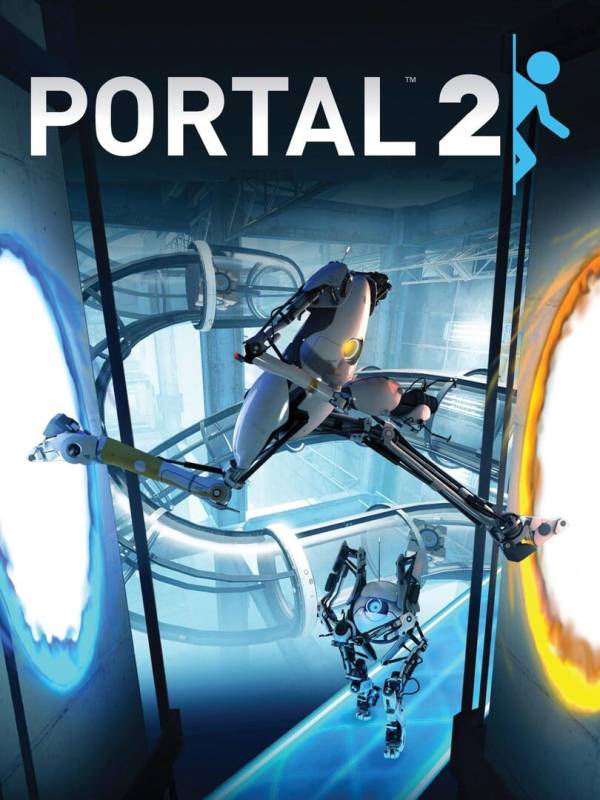
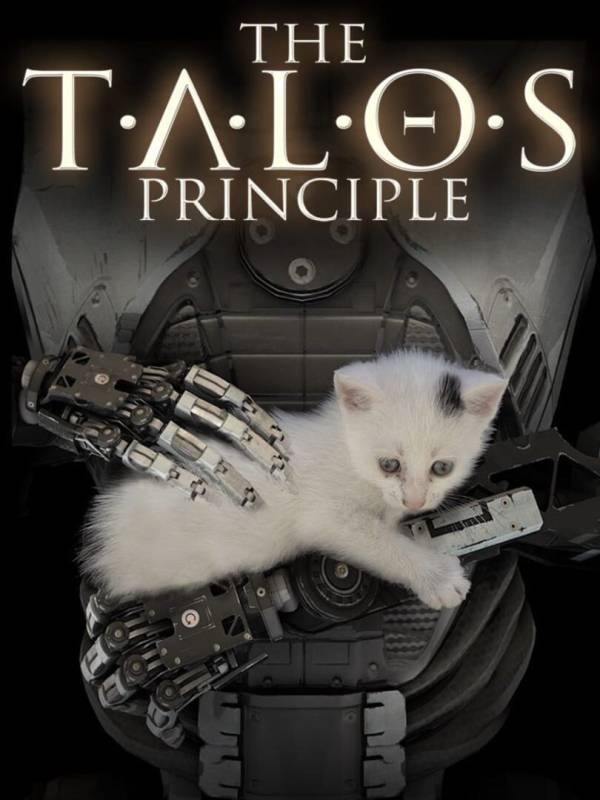
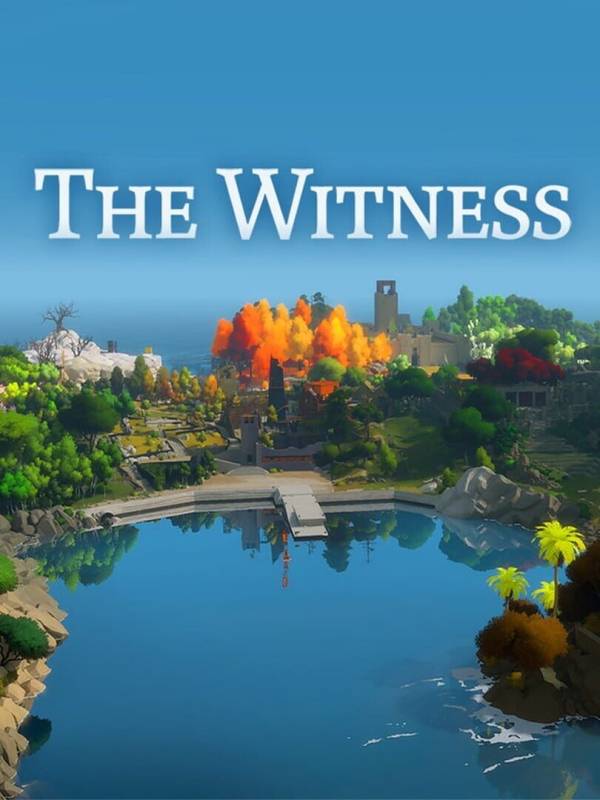
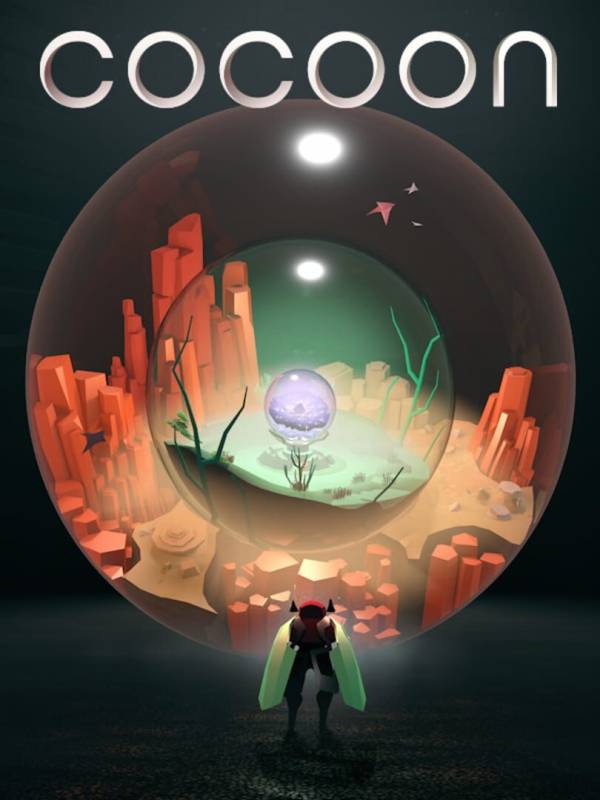
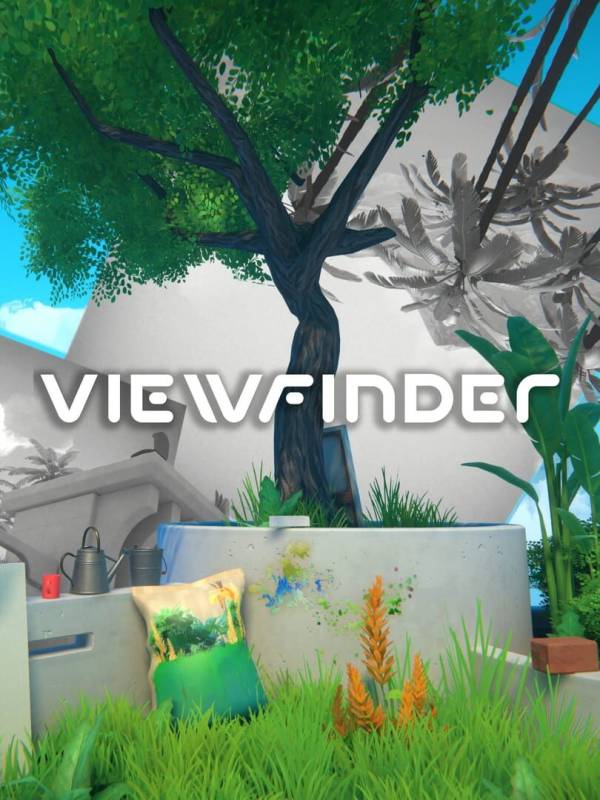
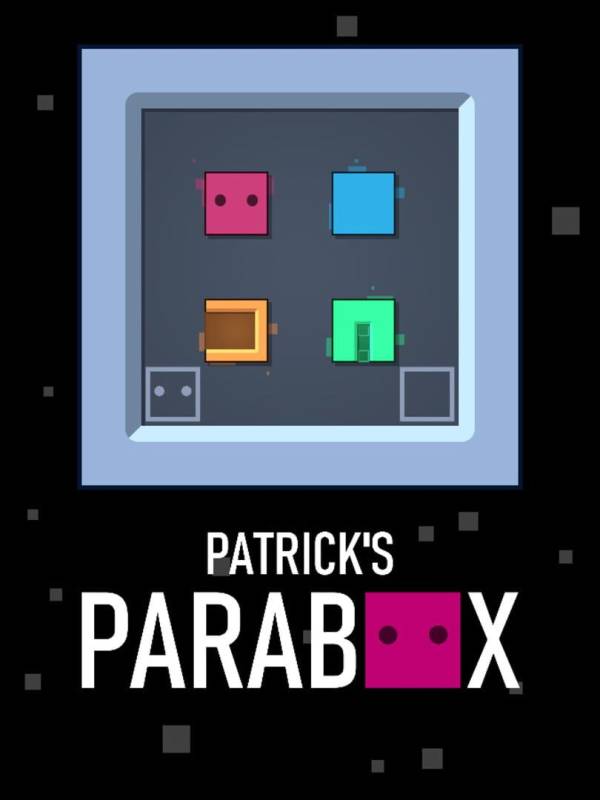
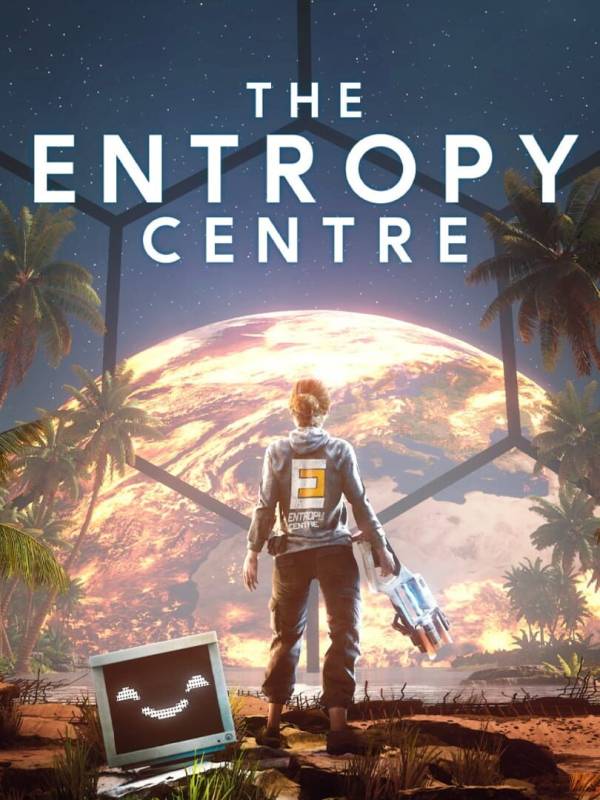
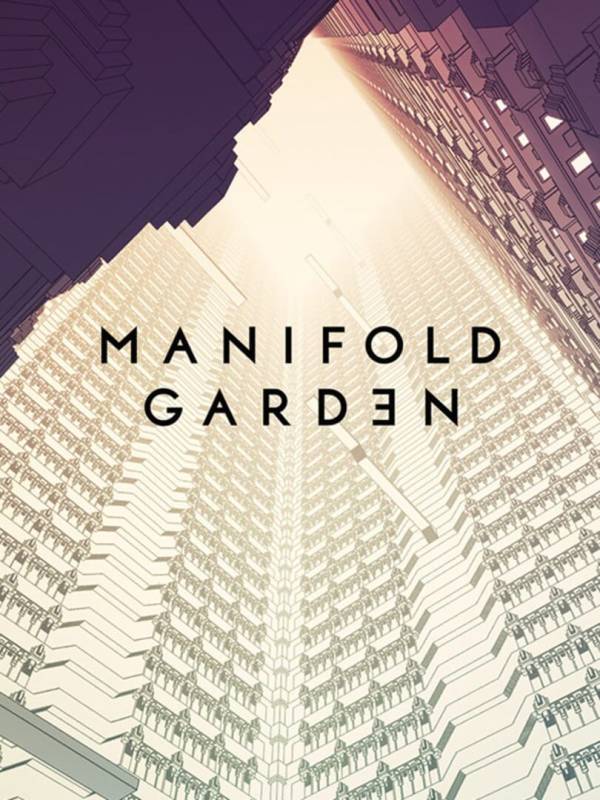
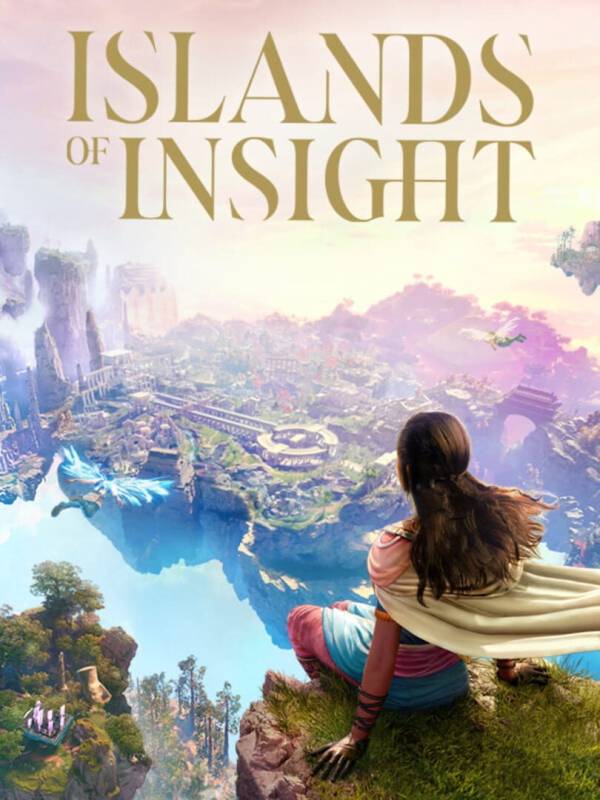
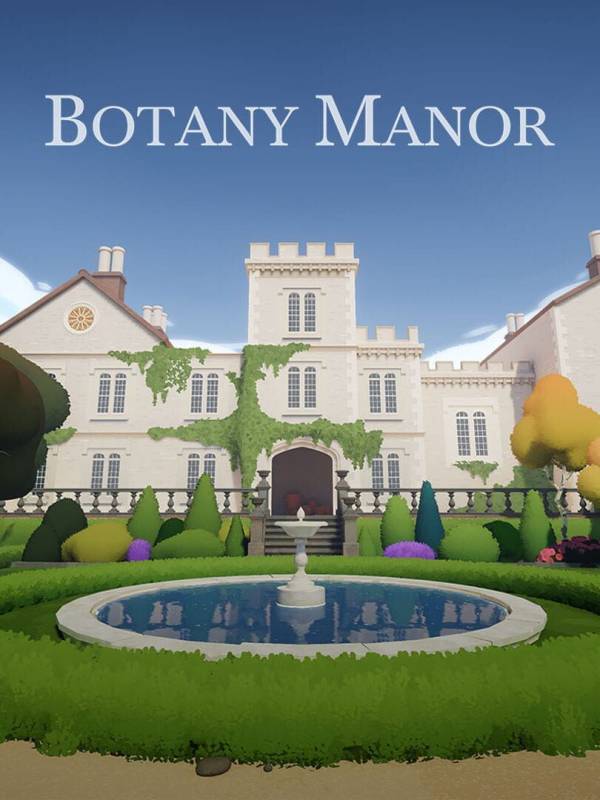
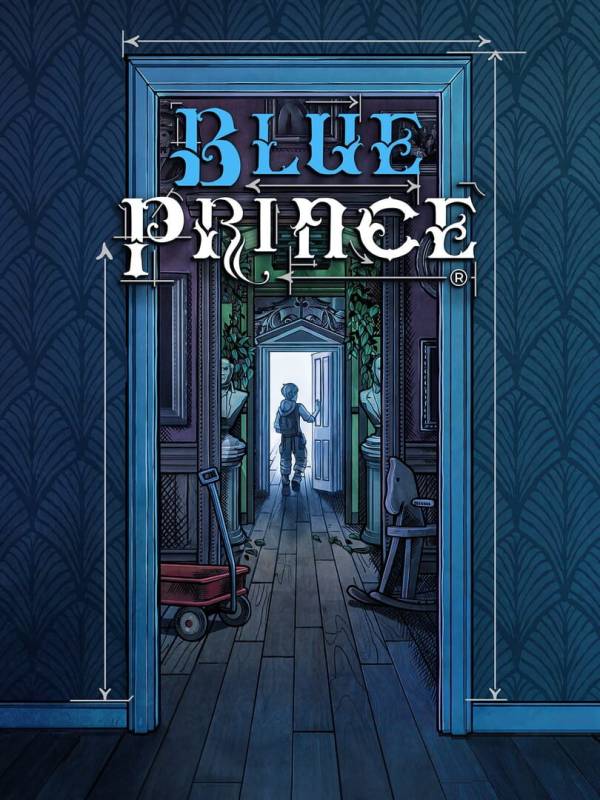
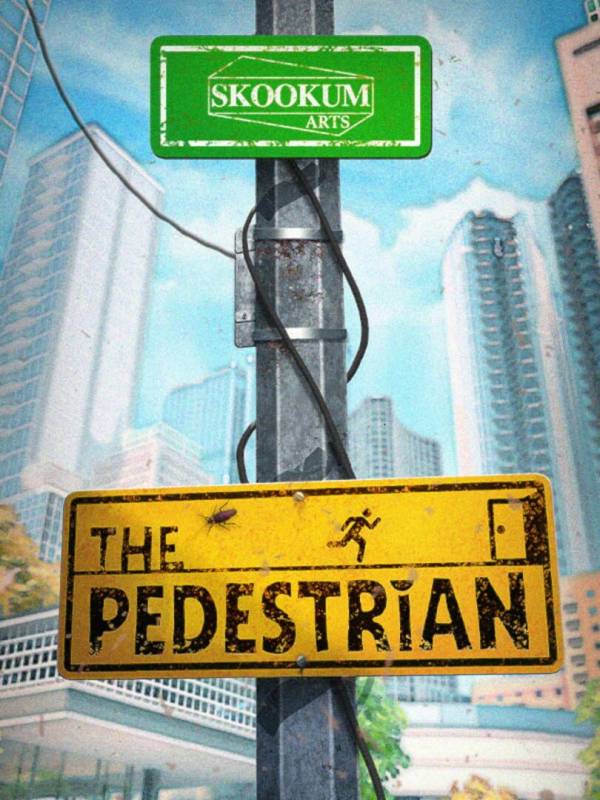
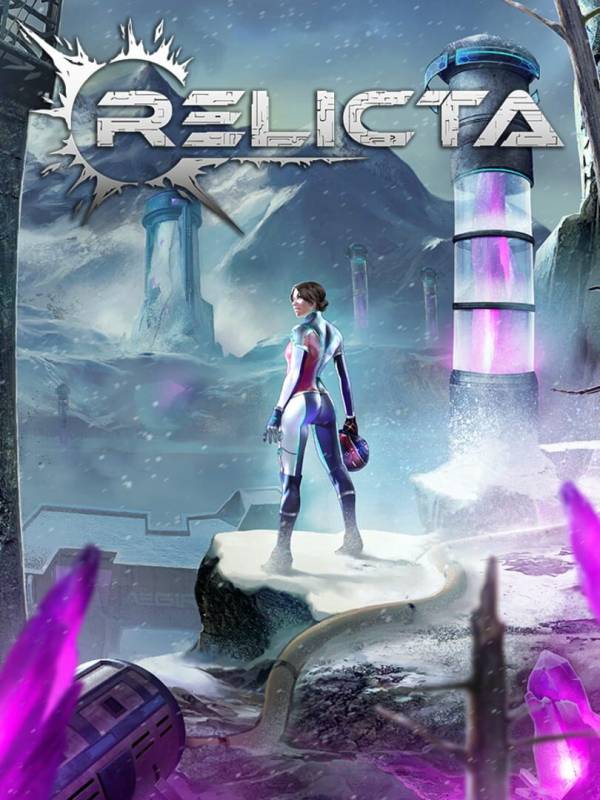
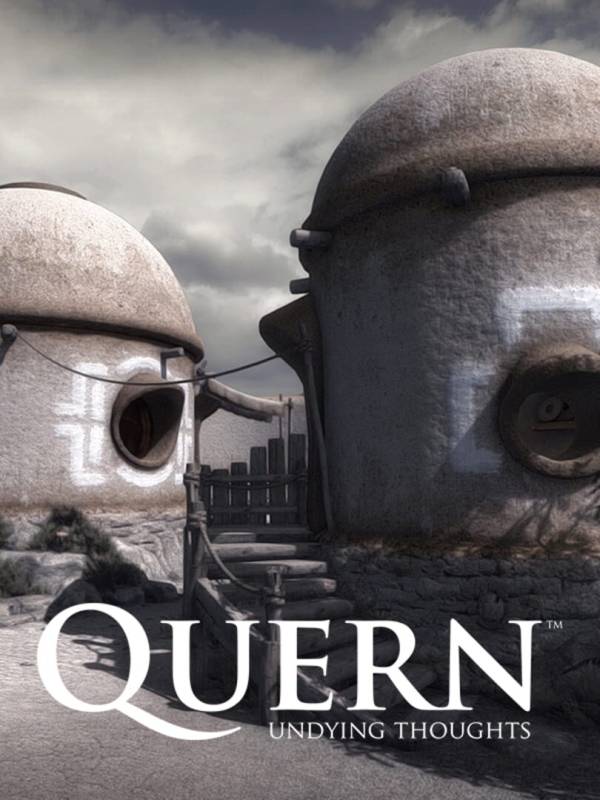
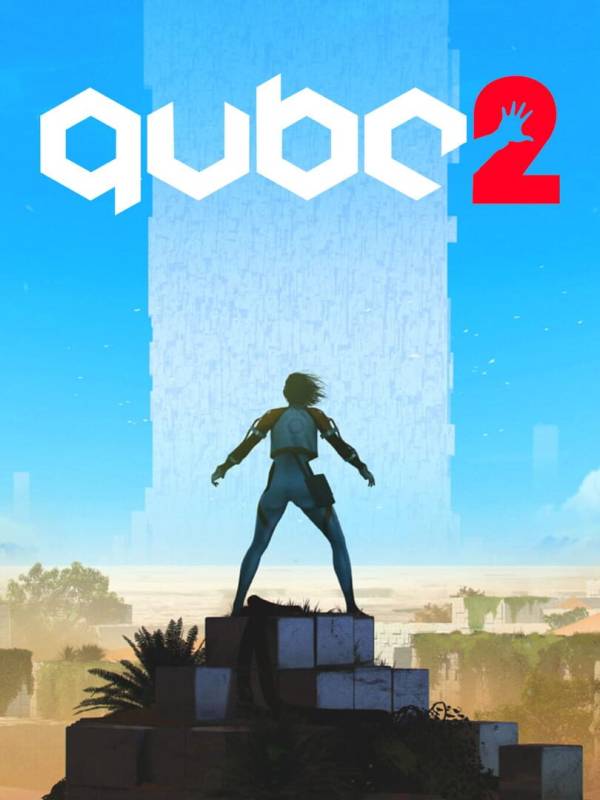
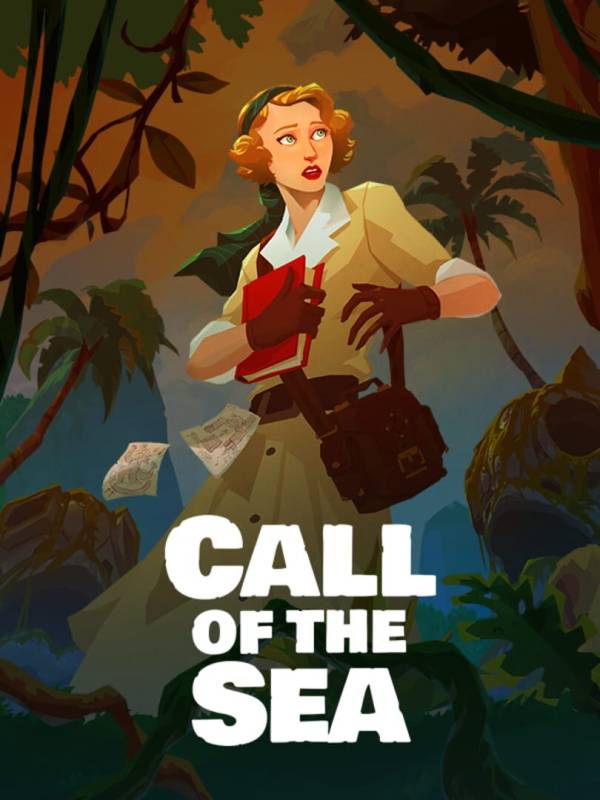
Some of these titles are solitary experiences best played with a notebook and pen at your side, while others might require a friend to help you navigate the chaos. If you do find yourself needing a break from the intense brain-burning sessions, you might want to check out some local party games to decompress, but otherwise, strap in. We have curated a list that starts with the heavy hitters and moves into some deep, complex territory. It feels almost illegal to start a list of puzzle games without mentioning Portal 2. Even years after its release, it remains the gold standard for pacing, writing, and mechanics. You aren't just solving test chambers; you are navigating a hilarious, dangerous narrative driven by physics and momentum. The introduction of gels—propulsion, repulsion, and conversion—adds a layer of complexity that keeps the portal mechanic feeling fresh until the very end. Beyond the single-player campaign, the co-op mode is a masterpiece in its own right, requiring perfect synchronization with a partner. If you are looking for one of the best 2-player games to enjoy with friends, this is it. It tests your communication skills just as much as your logic. Where many puzzle games focus solely on the mechanics, The Talos Principle asks you to ponder the nature of humanity while you deflect lasers and jam electronic gates. Set in a serene environment of ancient ruins mixed with advanced technology, the game respects the player's intelligence by refusing to hold your hand. The puzzles scale brilliantly, starting with simple "open the door" tasks and evolving into complex spatial problems involving recording your own actions to create a clone. It’s intellectual in both gameplay and narrative, making it a must-play for anyone who likes their brain teasers served with a side of existentialism. The Witness is arguably one of the most polarizing and brilliant puzzle games ever made. On the surface, it’s just a game about drawing lines on grid panels scattered across a vibrant island. However, the game teaches you its language without speaking a single word. You have to deduce the rules of each panel by observing the environment around you. The real magic happens when you realize the island itself is part of the puzzle. It requires a level of perception that few other games demand. It can be frustratingly difficult, but the satisfaction of solving a puzzle that has stumped you for days is unmatched. From the lead gameplay designer of Limbo and Inside comes Cocoon, a game that feels completely alien yet intuitive. The core hook involves carrying worlds within orbs on your back. You can dive into these orbs to solve puzzles within that world, or use the orbs' unique abilities in the overworld to bypass obstacles. It sounds complicated, but the game is a masterclass in design elegance. It never overwhelms you with UI or text; it simply trusts you to understand the recursive nature of its universe. It's a smooth, beautiful, and genuinely clever experience that stands out in the genre. In Superliminal, seeing is literally believing. This first-person puzzler utilizes forced perspective as its primary mechanic. If you hold a small object up to your eye so it looks big, and then drop it, it becomes huge. It’s a mind-bending concept that plays with depth and scale in ways that will constantly surprise you. Set within a dream therapy program, the game constantly subverts your expectations. Just when you think you understand the rules of the world, the game pulls the rug out from under you. It’s short, sweet, and incredibly inventive. Viewfinder is one of those games that makes you wonder how the technology behind it even works. You possess an instant camera, and any photo you take—or any picture you find—can be placed into the world to become 3D reality. Need a bridge? Take a picture of a floor and rotate it. Need a battery? Find a picture of one and bring it to life. The creativity on display here is staggering. It challenges you to think about 2D images in a 3D space, eventually introducing mechanics like photocopying and different artistic styles that change the physics of the world. It is a technical marvel and a joy to solve. Don't let the simple graphics fool you; Patrick's Parabox is one of the most logically complex games on this list. It starts as a standard Sokoban-style block-pushing game, but quickly introduces the concept of boxes that contain other boxes—or even boxes that contain the level you are currently standing in. The recursive logic required to solve the later levels is intense. You have to think about infinity and loops in a way that feels unique to this title. If you love pure logic without the fluff of a narrative, this is an essential pick. If you miss the witty banter and test chambers of Portal, The Entropy Centre is the spiritual successor you've been waiting for. The core mechanic here is a gun that rewinds time for specific objects. To solve a puzzle, you often have to perform the actions in reverse order, thinking about where a cube needs to end up and working backward to where it starts. The dynamic between the protagonist and her talking AI gun carries the narrative, while the puzzles ramp up in difficulty by introducing jump pads, bridges, and collapsing structures. It’s a polished, high-energy puzzler. Manifold Garden reimagines physics and space. The world wraps around itself endlessly; if you fall off a ledge, you land back on top of the structure you fell from. This looping geometry is central to solving the game's gravity-shifting puzzles. The art style is stark and architectural, creating a sense of scale that feels both beautiful and intimidating. It’s a game about changing your perspective on gravity to grow a garden in an infinite void. It is a mesmerizing experience that feels unlike anything else. Islands of Insight attempts something bold: a "shared world" puzzle game. Imagine an MMO, but instead of fighting orcs, you are solving logic grids, perspective puzzles, and hidden object challenges scattered across a massive, high-fantasy map. With thousands of puzzles to solve, it offers sheer volume. It’s perfect for players who want a relaxing, long-term game to chip away at. You can solve things at your own pace, fly around the beautiful environment, and tackle only the puzzle types you enjoy. It’s a buffet for the brain. Set on a deserted spaceship, Filament is a game about hacking terminals by wrapping a cable around pillars of light. It sounds simple, but the constraints of the cable length and the inability to cross your own line turn this into a fiendishly difficult challenge. The game is charming and fully voiced, but do not underestimate the difficulty. This is for players who enjoy staring at a single screen for thirty minutes, planning every single move before committing. It is brutal, fair, and incredibly rewarding. For a change of pace, Botany Manor offers a more grounded challenge. You play as a retired botanist working to grow rare, fantastical flora. The puzzles involve exploring the manor to find clues—letters, posters, and contraptions—that reveal the specific temperature, light, or sugar requirements for each plant. It feels like a detective game where the mystery is biology. The tactile nature of potting plants and adjusting greenhouse vents makes it an engaging, tactile experience. Blue Prince is a fascinating mix of puzzle and strategy. You are drafting the layout of a mysterious mansion room by room, trying to uncover its secrets before your resources run out. You have to balance the architectural layout to create combos and unlock new areas. It’s a game about spatial planning and risk management. Every door you open is a choice, and the shifting nature of the house keeps you on your toes. It’s a stylish, mysterious addition to the genre. The Pedestrian is a gorgeous 2.5D puzzler where you play as the little stick figure on public signs. You move between street signs, blueprints, and warning labels, but the twist is that you have to physically rearrange the signs in the 3D background to create a path for your character. Connecting doors and ladders by moving the signs themselves is a mechanic that feels fresh throughout the runtime. The transition between the flat 2D puzzles and the bustling 3D city background is seamless and visually stunning. Maquette takes place in a world nested inside itself. In the center of the map is a small model of the world you are standing in. If you drop a giant key in the real world, a tiny version appears in the model. Conversely, if you manipulate the tiny model, the real world changes around you. This size-manipulation mechanic is used to tell a poignant story about a relationship. While the puzzles can be finicky at times, the central concept and the visual flair make it a memorable journey through love and heartbreak. Physics-based puzzles return with Relicta. You play a physicist on a stranded moon base, using high-tech gloves to manipulate magnetism and gravity. You can change the polarity of boxes to attract or repel them, or toggle gravity to make them fly. The interplay between the physics systems allows for some creative solutions. It’s a game that demands you understand momentum and trajectories, offering a robust challenge for fans of first-person physics puzzlers. If you grew up with a notebook full of symbols while playing Myst or Riven, Quern: Undying Thoughts is built for you. It is a first-person adventure that drops you on an island with no instructions. You must learn the logic of the island's machinery, decipher languages, and piece together the story. Unlike many modern games, Quern doesn't rely on physics; it relies on cold, hard logic and observation. It is a dense, cohesive experience where every puzzle feels connected to the larger world. Q.U.B.E. 2 puts you in a suit that can manipulate colored cubes in the environment. Red extends, blue bounces, and green creates a block. You have to combine these elemental functions to navigate a beautiful alien structure. It is more streamlined and narrative-focused than its predecessor. The puzzles flow well, making you feel smart without hitting the brick walls found in harder logic games. It’s a smooth, visually pleasing ride. In The Turing Test, you play as Ava Turing, an engineer on a moon of Jupiter. To progress, you must pass a series of tests designed to be solvable only by a human with lateral thinking skills, not an AI. The primary tool is an Energy Manipulation Tool (EMT) that moves power orbs between switches. The gameplay is solid, but the narrative raises interesting questions about the nature of free will and artificial intelligence, keeping you engaged through to the credits. Set in the 1930s, Call of the Sea follows Norah as she searches for her missing husband on a strange South Pacific island. While it draws inspiration from Lovecraft, it swaps the usual dreary greys for vibrant, tropical colors. The puzzles are largely tactile and mechanical, involving translating symbols and operating ancient machinery. It is a story-driven experience first, but the puzzles are integrated beautifully into the lore, requiring you to really pay attention to the journals and murals you find. RiME is less about breaking your brain and more about breaking your heart. You play a young boy exploring a mysterious island, solving environmental puzzles using light, perspective, and sound. The challenges are gentle, meant to facilitate the exploration rather than halt it. The cel-shaded art style is timeless, and the orchestral score is magnificent. It’s an emotional crescendo that uses puzzle mechanics to tell a story of grief and acceptance. Ending on a lighter note, The Last Campfire is a game about lighting hope in a dark world. You play as Ember, a lost soul trying to help others find their purpose. The puzzles are self-contained and clever, but never punishingly difficult. This is the perfect title to wind down with. In fact, if you enjoy this vibe, you should check out our list of the best cozy PC games for more titles that prioritize atmosphere and relaxation over stress.
1.
Portal 2
Where to buy
How to activate CD-keys
2.
The Talos Principle
Where to buy
How to activate CD-keys
The Talos Principle Gold Edition (PC) Steam Key - GLOBAL

The Talos Principle Gold Edition Steam CD Key

The Talos Principle Standard Edition Steam CD Key
3.
The Witness
Where to buy
How to activate CD-keys
4.
Cocoon
5.
Superliminal
Where to buy
How to activate CD-keys
Superliminal (PC) Steam Key - ROW
Superliminal (PC) Steam Key - RU/CIS
Superliminal (PC) Steam Key - CHINA
6.
Viewfinder
7.
Patrick's Parabox
Where to buy
How to activate CD-keys
Patrick's Parabox Steam CD Key
Patrick's Parabox (PC) Steam Key - GLOBAL
Patrick's Parabox (PC) - Steam Key - GLOBAL

8.
The Entropy Centre
Where to buy
How to activate CD-keys
The Entropy Centre (PC) Steam Key - LATIN AMERICA
The Entropy Centre (PC) Steam Key - ROW
The Entropy Centre (PC) Steam Key - ASIA
9.
Manifold Garden
Where to buy
How to activate CD-keys
10.
Islands of Insight
Where to buy
How to activate CD-keys
Islands of Insight (PC) Steam Gift - GLOBAL
Islands of Insight (PC) - Steam Gift - NORTH AMERICA
Islands of Insight Standard Edition Steam Gift
11.
Filament
Where to buy
How to activate CD-keys
12.
Botany Manor
Where to buy
How to activate CD-keys
13.
Blue Prince
Where to buy
How to activate CD-keys
Blue Prince (PC) - Steam Key - LATAM
Blue Prince (PC) - Steam Key - LATAM
Blue Prince (PC) - Steam Key - LATAM
14.
The Pedestrian
Where to buy
How to activate CD-keys
The Pedestrian Steam CD Key

The Pedestrian (PC) Steam Key - GLOBAL
The Pedestrian Steam (PC) - Steam CD Key - Global

15.
Maquette
Where to buy
How to activate CD-keys
16.
Relicta
Where to buy
How to activate CD-keys
17.
Quern: Undying Thoughts
Where to buy
How to activate CD-keys
Quern - Undying Thoughts (PC) Steam Key - GLOBAL
Quern Undying Thoughts (PC)

Quern - Undying Thoughts

18.
Q.U.B.E. 2
Where to buy
How to activate CD-keys
19.
The Turing Test
Where to buy
How to activate CD-keys
20.
Call of the Sea
Where to buy
How to activate CD-keys
Call of the Sea PC Steam CD Key
Call of the Sea Standard Edition Europe Steam CD Key
Call of the Sea Standard Edition Steam CD Key
21.
RiME
22.
The Last Campfire
Where to buy
How to activate CD-keys
The Last Campfire (PC) Steam Key - GLOBAL
The Last Campfire (PC) Steam Key - EU
The Last Campfire Steam CD Key







From the sterile, dangerous test chambers of Portal 2 to the vibrant, recursive worlds of Maquette, the PC puzzle genre is thriving in 2026. These games prove that you don't always need high-octane action to get an adrenaline rush; sometimes, finally figuring out how to power a door after forty minutes of staring is the biggest rush of all.
If you manage to conquer this entire list, you can officially consider yourself a puzzle master. But be warned: once you start seeing the world in terms of portals, light bridges, and perspective tricks, it’s hard to go back to normal. Did we miss your favorite brain-buster? Let us know in the comments below!


comments
No comments yet
Be the first to share your thoughts!