


















City-building games can be relaxing sandboxes, ruthless survival tests, giant economic simulations, or all three at once. The common thread is that you start with limited space and resources, then slowly turn a rough settlement into something that actually works. That might mean drawing road networks and zoning neighborhoods, balancing food and housing for a medieval town, keeping a colony alive on Mars, or building production chains that stretch across an entire region.
This list takes a broad view of the genre. Some picks are classic city builders where infrastructure, services, traffic, and expansion are the main attraction. Others lean heavily into survival, colony management, logistics, politics, or strategy, but settlement growth still sits at the center of the experience. There are approachable games you can learn in an evening, dense simulations that reward spreadsheets and careful planning, and unusual hybrids that keep changing the rules as your city develops.
What makes a great city builder?
The strongest games make growth feel meaningful. New districts, technologies, citizens, transport links, or production chains should open fresh problems rather than simply making numbers go up. Good city builders also give you room to recover from mistakes, experiment with layouts, and develop a settlement that feels different from the last one. That long-term sense of ownership is a big reason the genre is so easy to lose hours in.
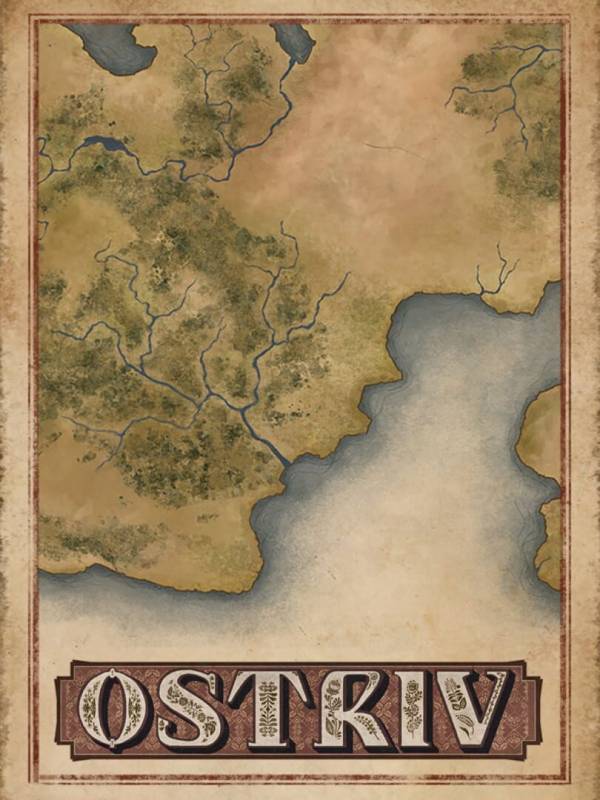
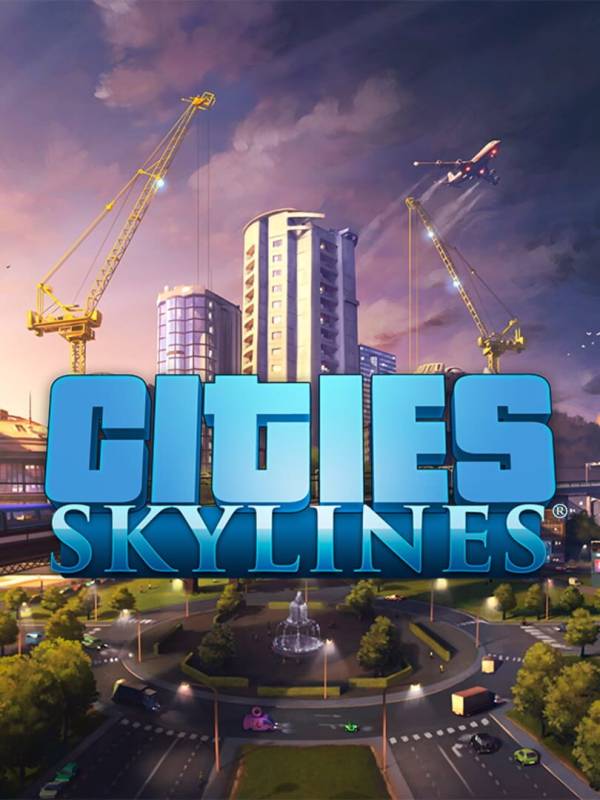
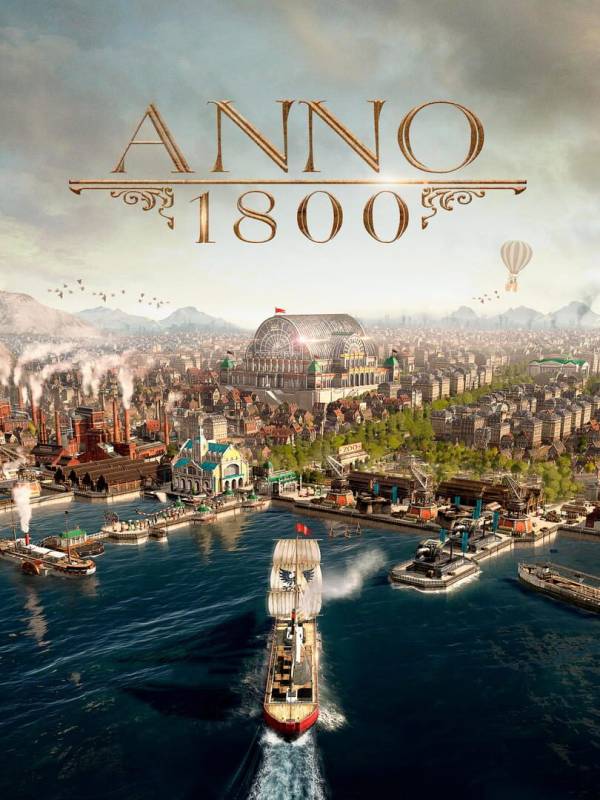
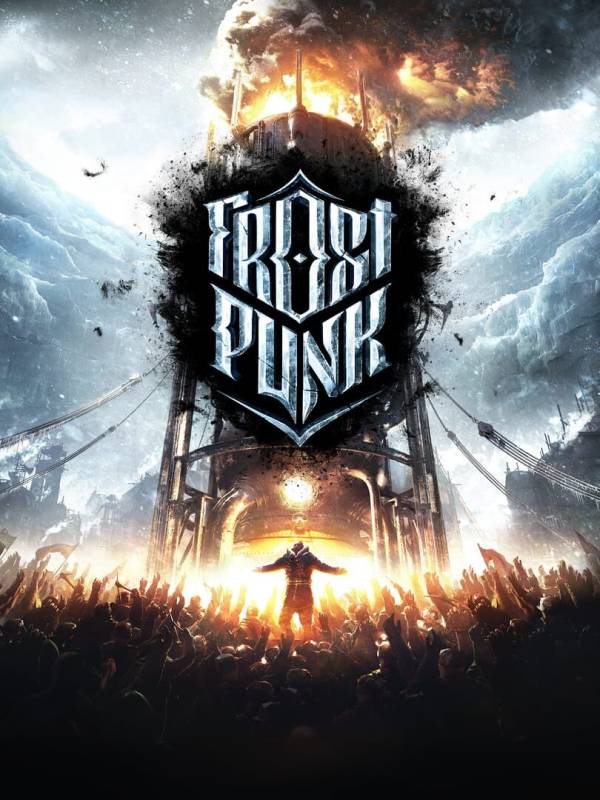
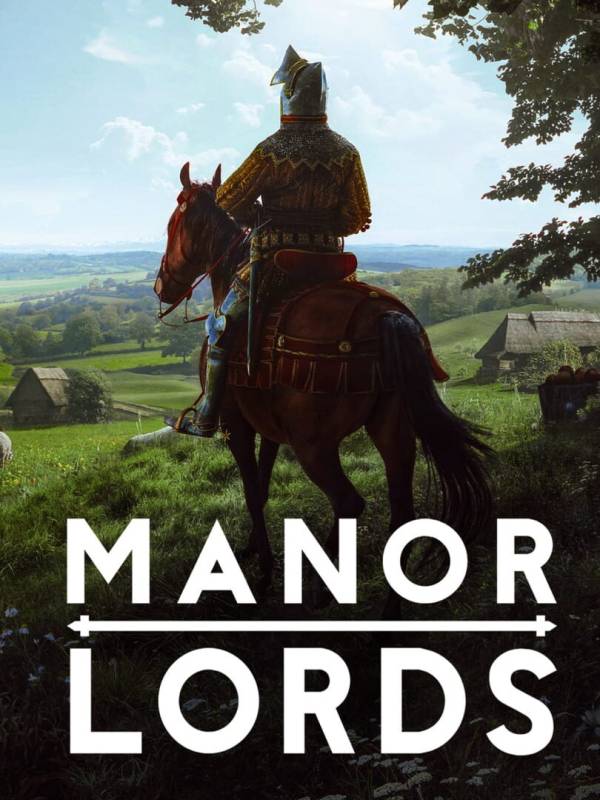
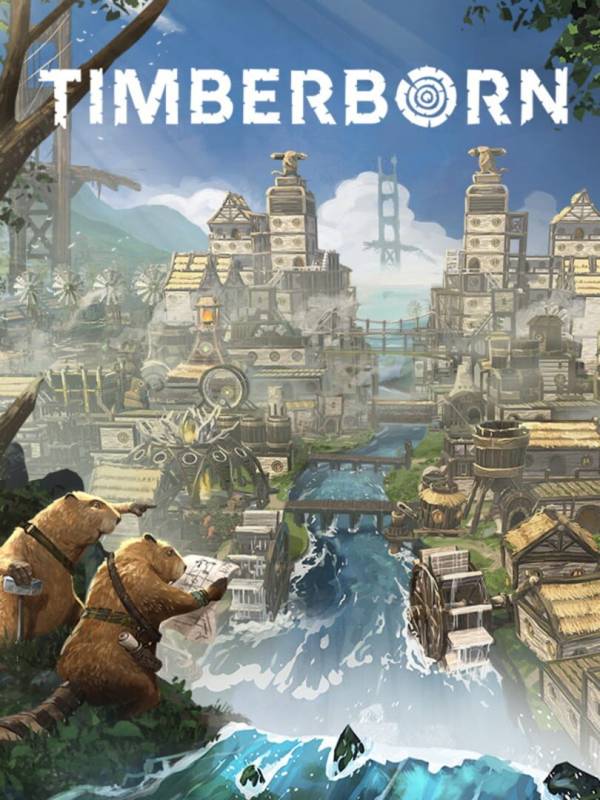
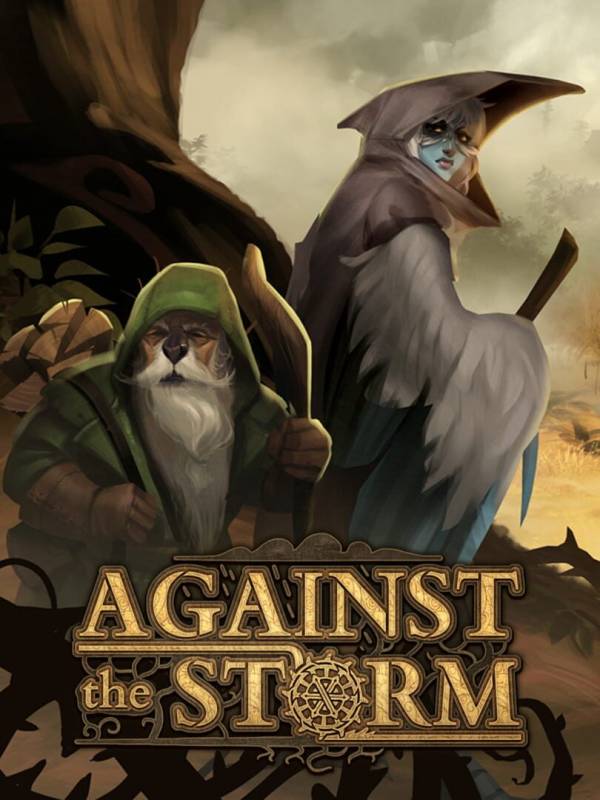
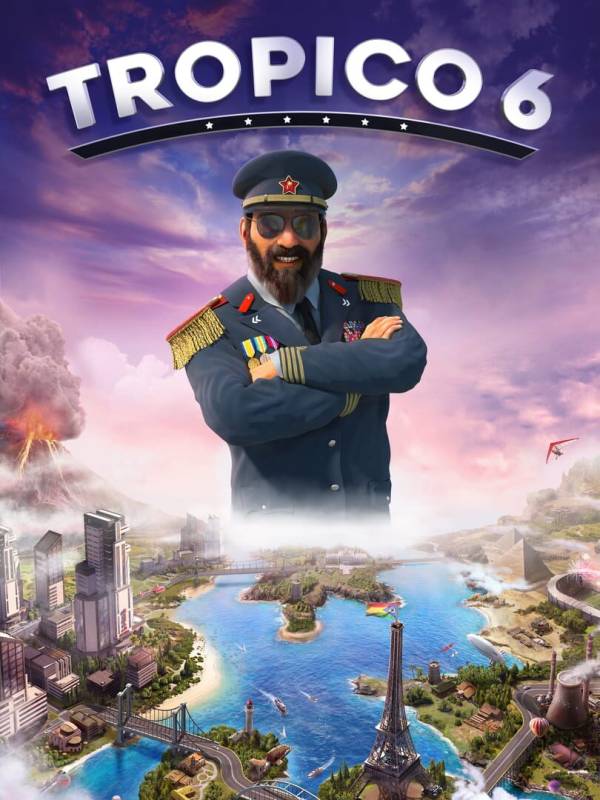
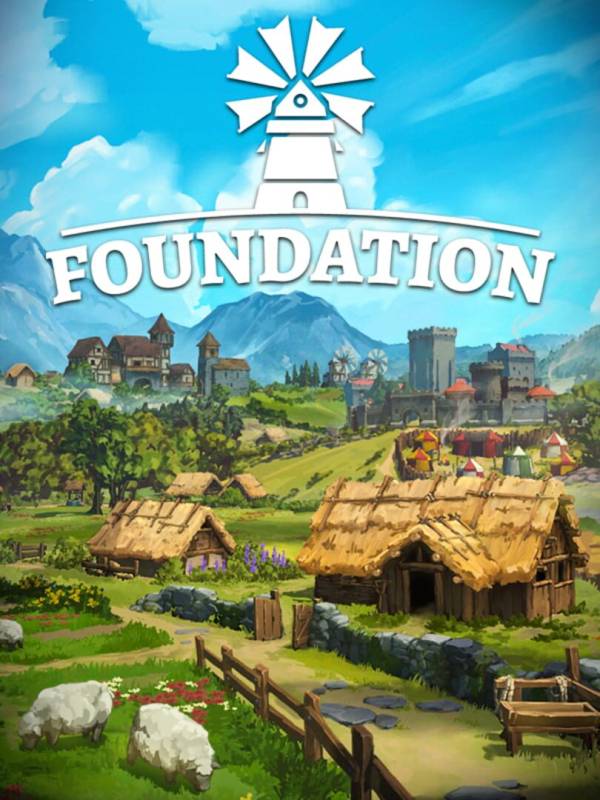
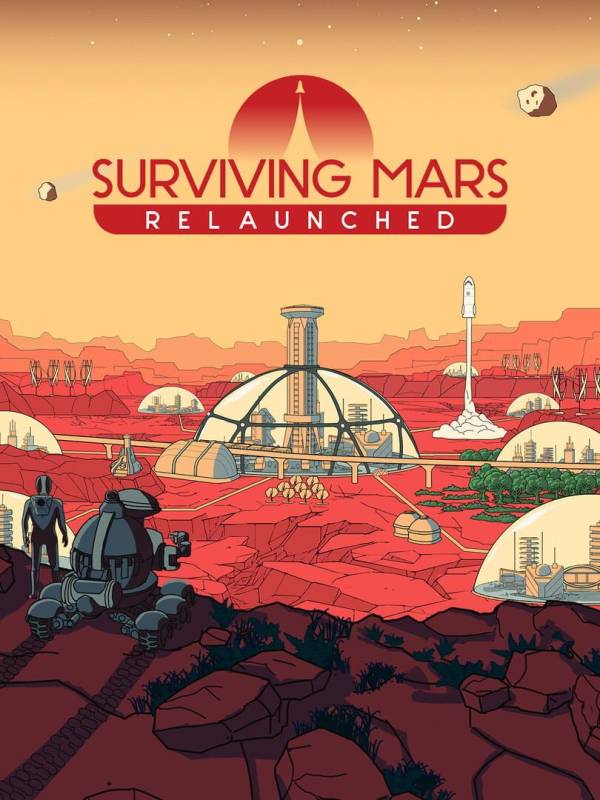
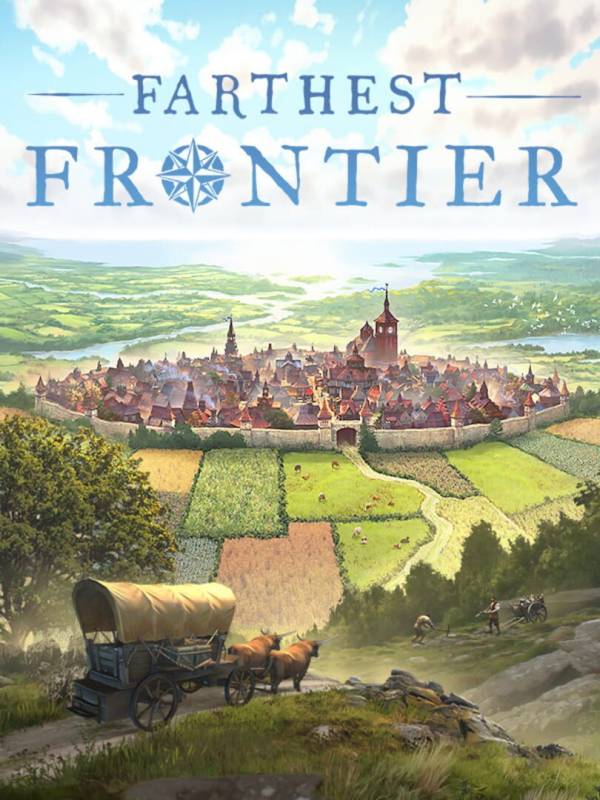
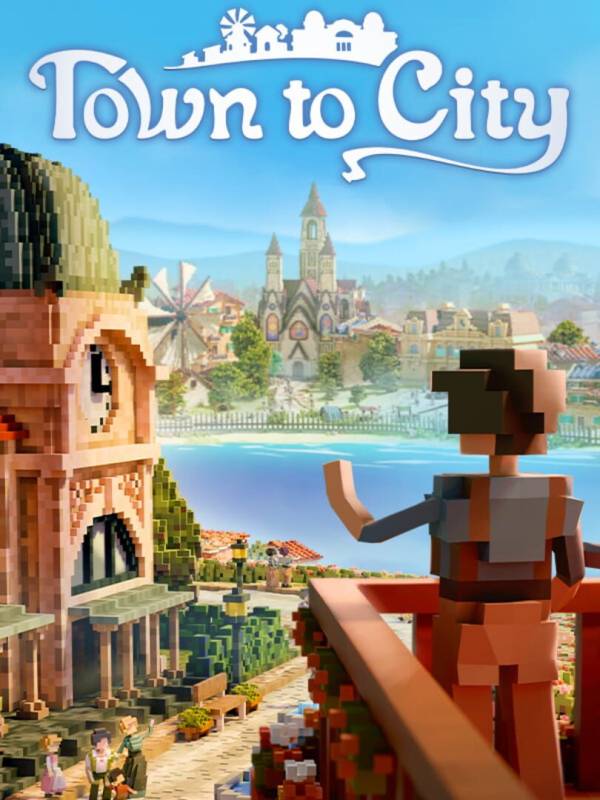
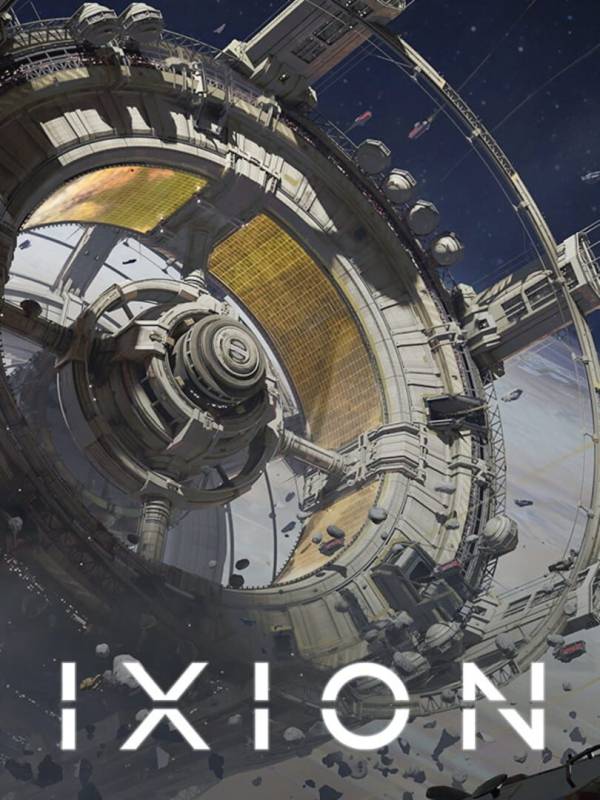
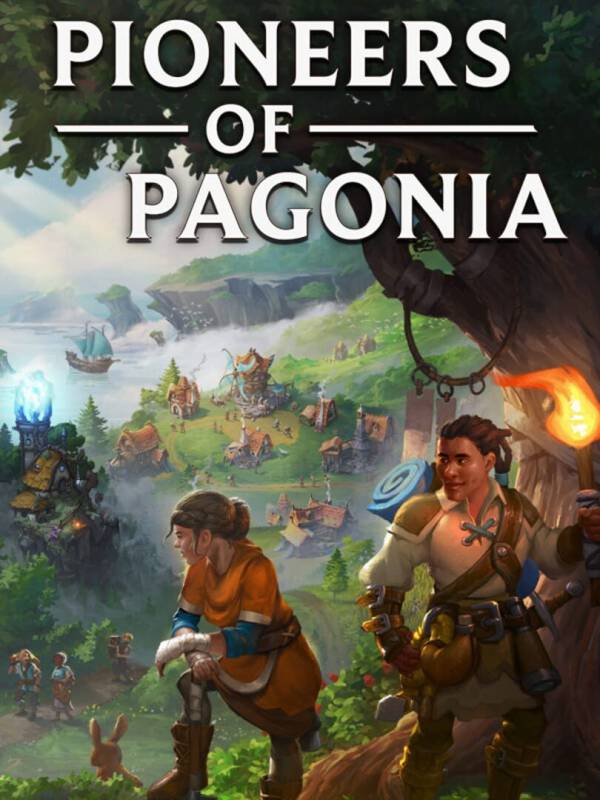
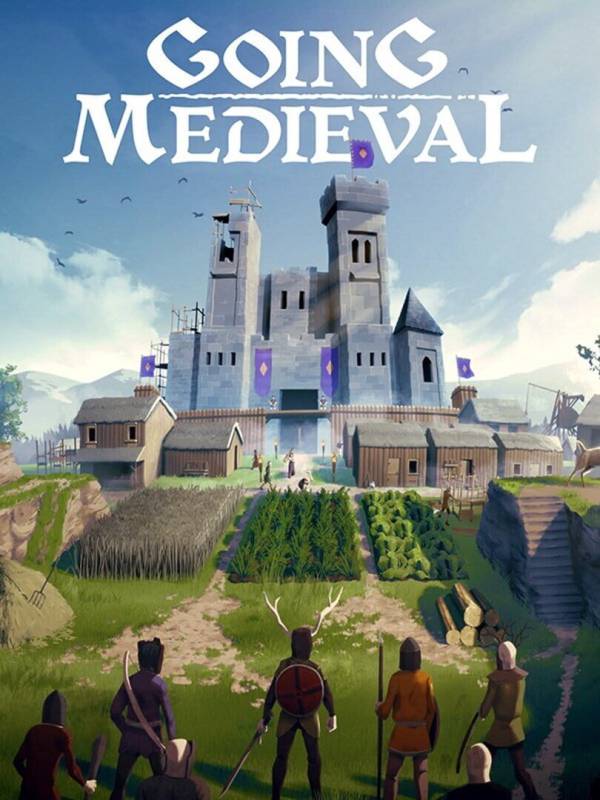
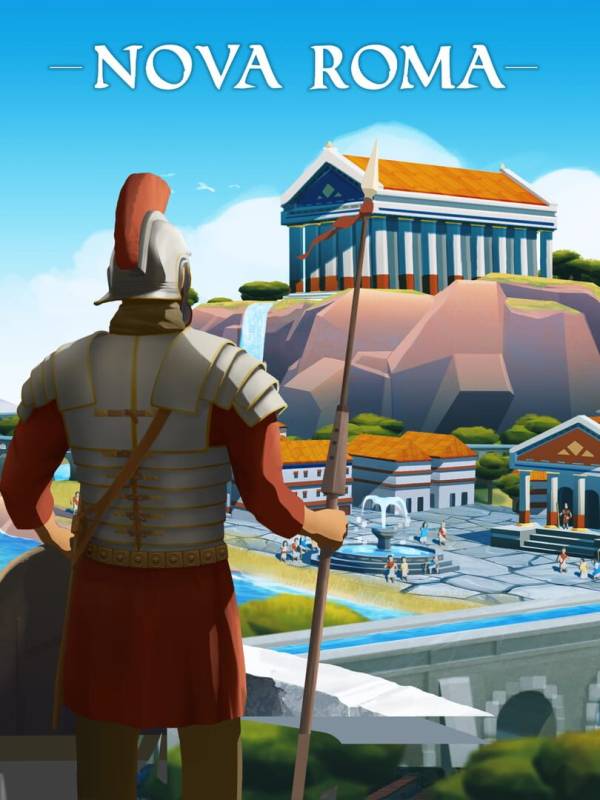
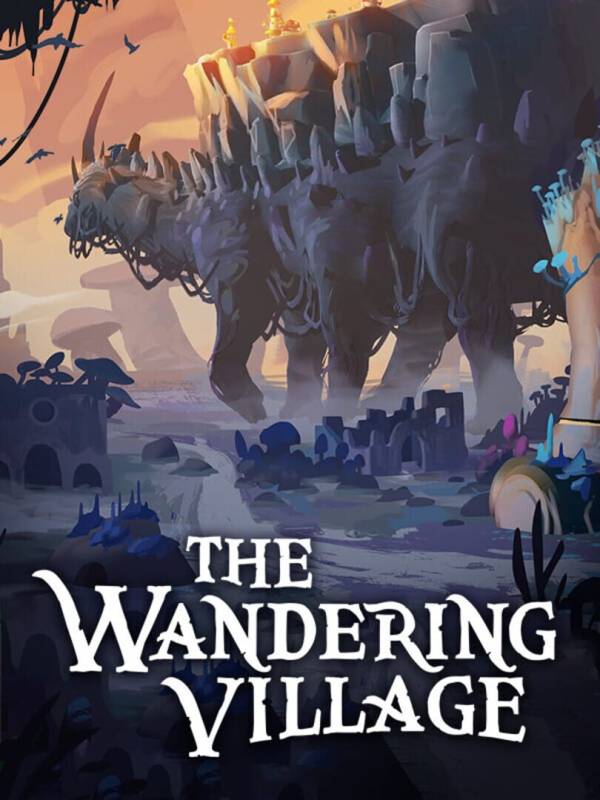
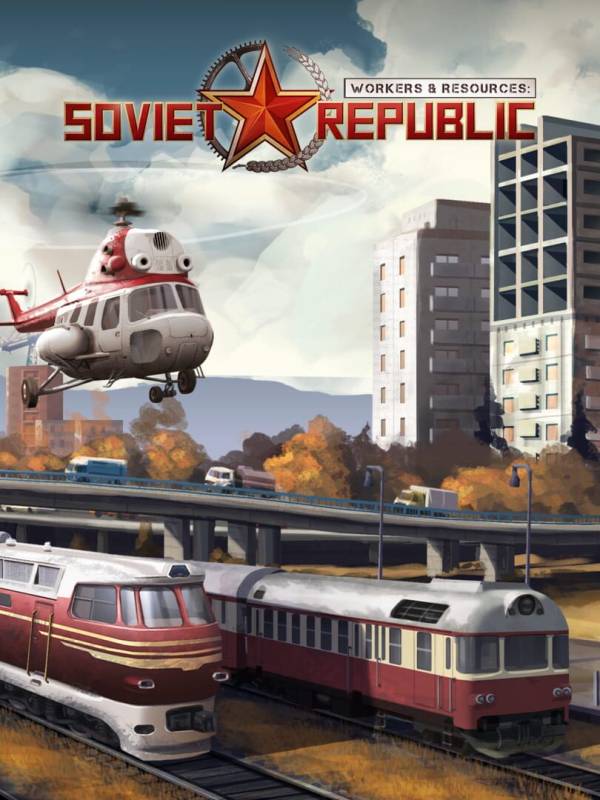
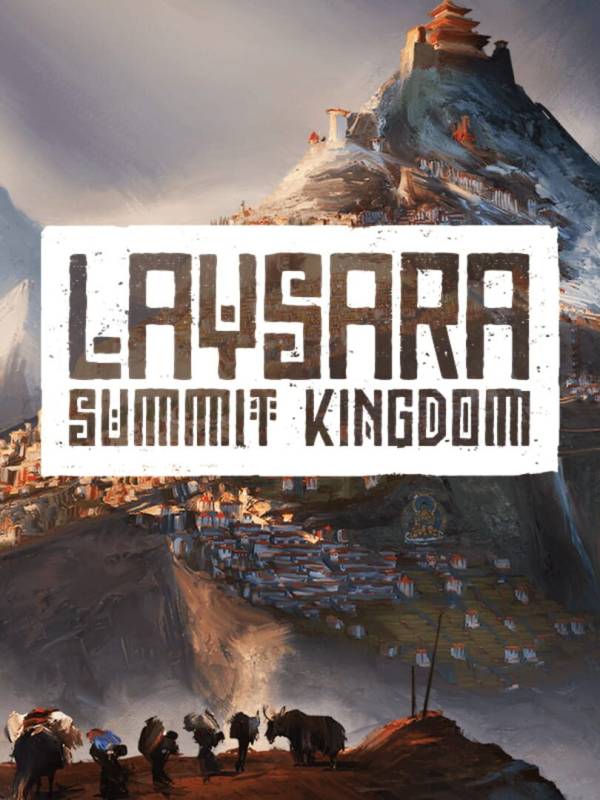
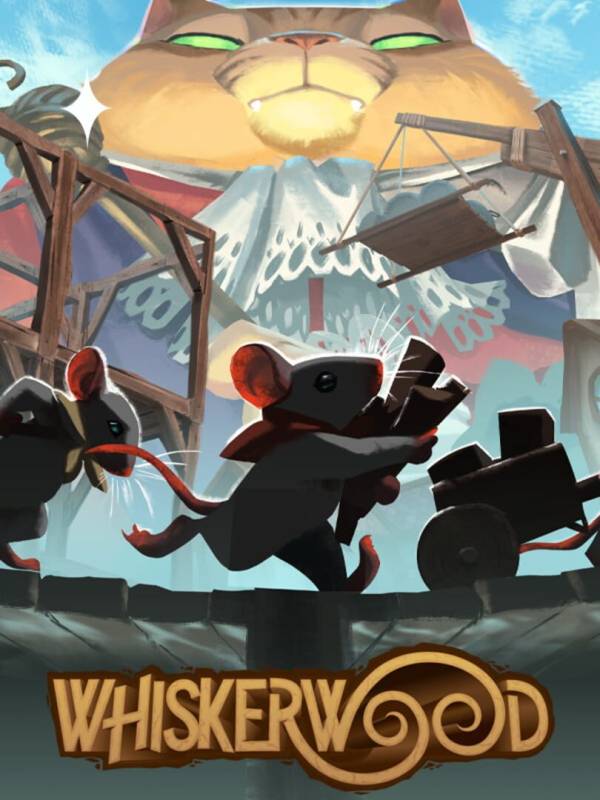
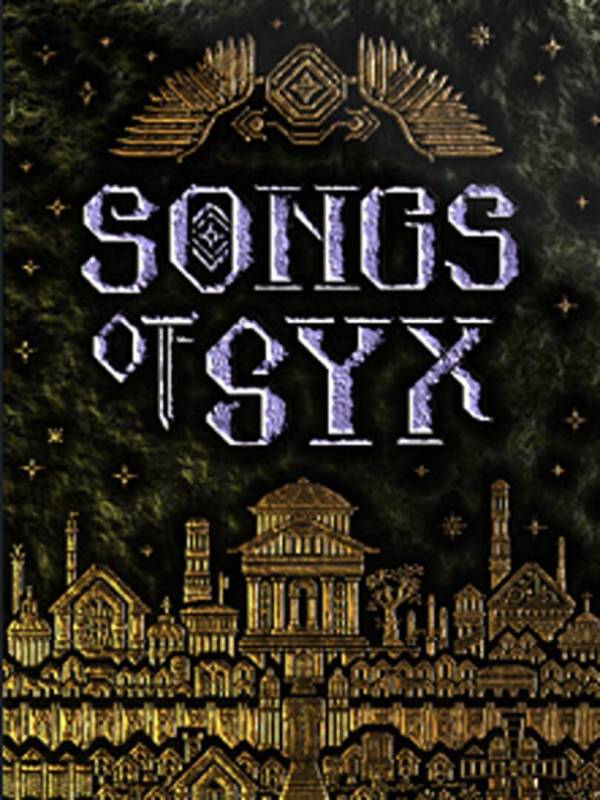
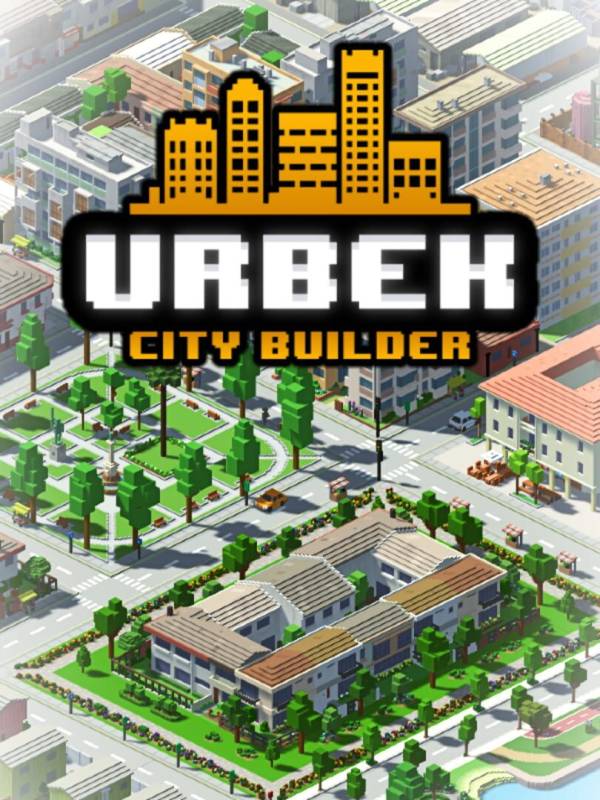
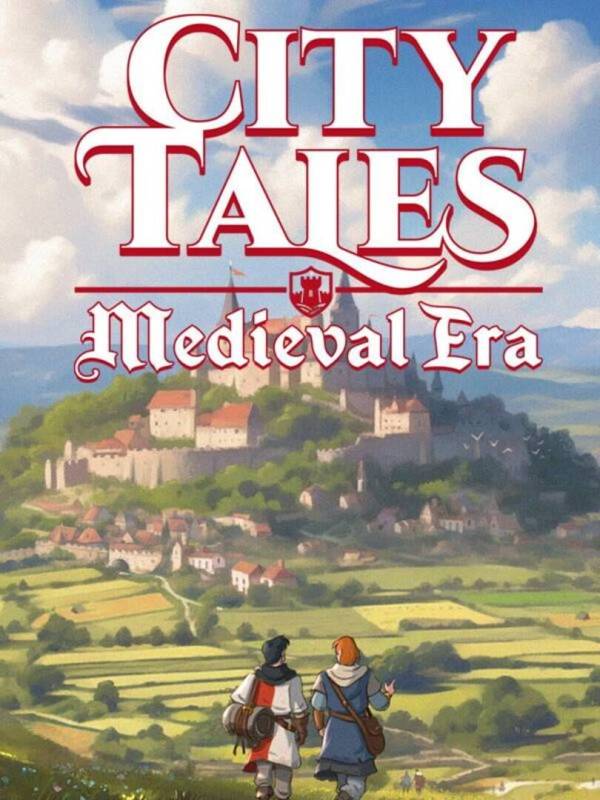
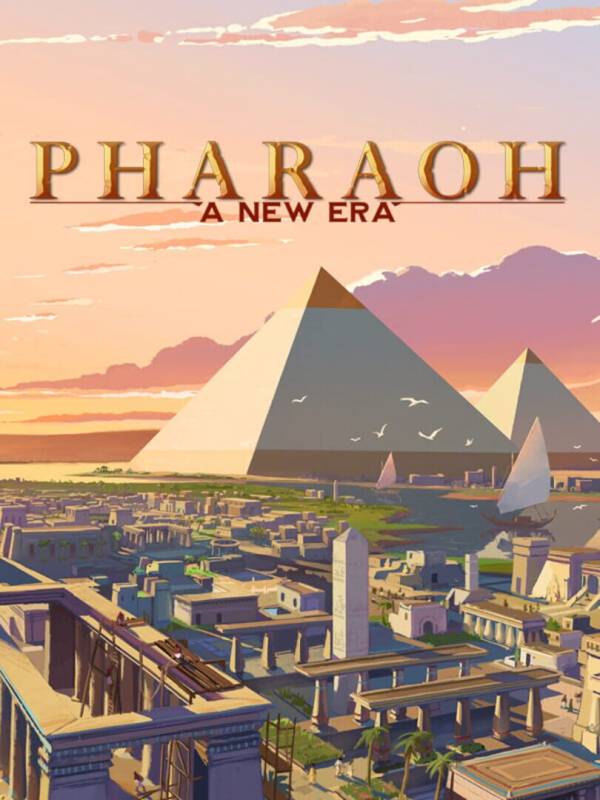
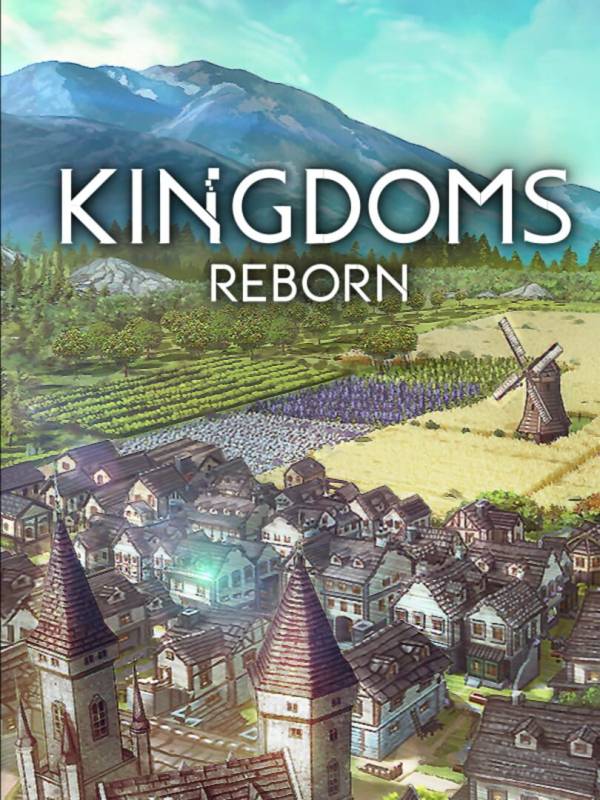
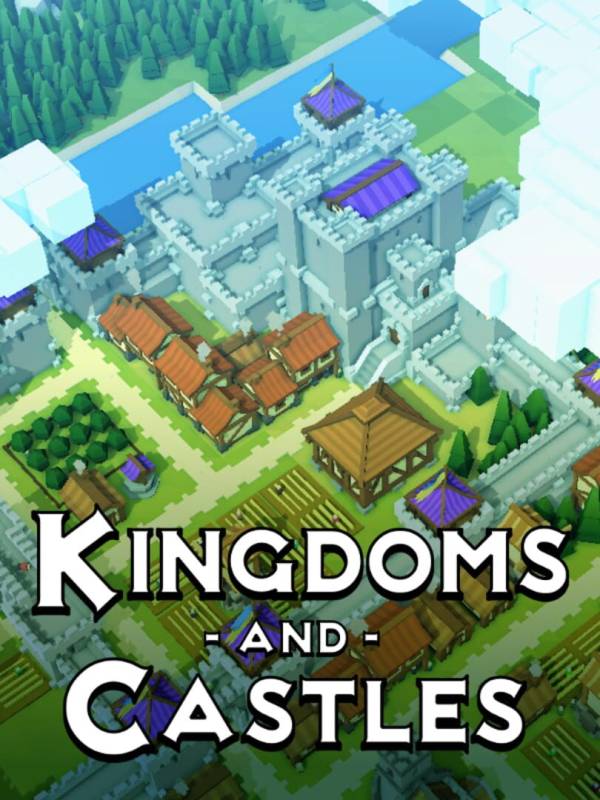
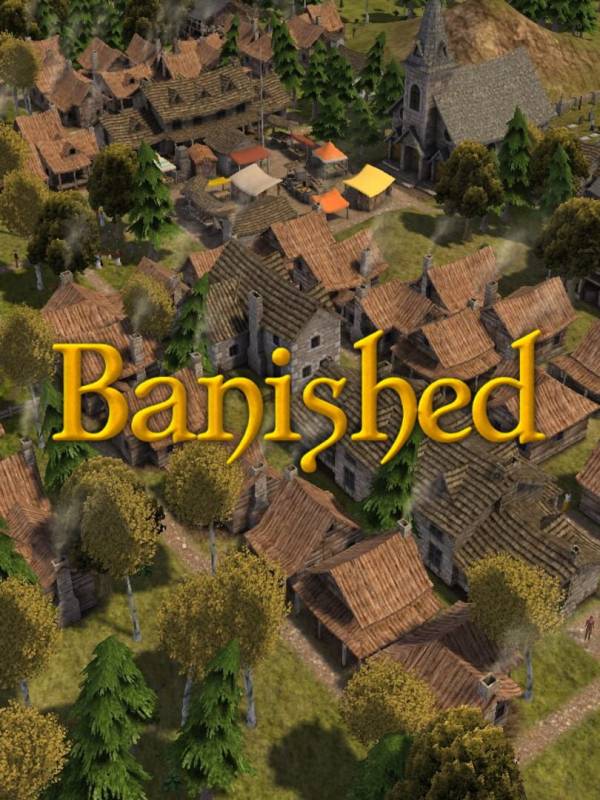
The 29 games below are ordered for variety rather than as a strict best-to-worst ranking, so you'll move between familiar blockbusters, survival-heavy challenges, cozy builders, historical simulations, and a few deeper cuts along the way. Few city builders make it so easy to lose an evening tweaking one stubborn interchange. Cities: Skylines gives you a big sandbox for zoning neighborhoods, laying roads, shaping public transport, and watching your decisions change how people move through the city. Traffic is often the puzzle that ties everything together, so even a beautiful district can need a redesign once thousands of residents start commuting. The real draw is how much freedom you have to specialize. You can build dense downtown blocks, quieter suburbs, industrial corridors, or transit-heavy cities that barely need cars. It rewards both big-picture planning and tiny fixes, which is why a city that starts as a simple grid can turn into something surprisingly personal. Building a pretty port town is only the beginning. Anno 1800 keeps giving you new reasons to rethink your islands as workers demand better goods, factories need carefully supplied inputs, and trade routes start linking distant settlements. Watching a simple chain grow from farms and workshops into a busy industrial network is one of the game's biggest pleasures. There is plenty to manage, but the payoff is visible everywhere: crowded harbors, upgraded homes, ships carrying cargo between islands, and districts that slowly become richer and more specialized. The mix of city building and logistics feels especially satisfying because every production problem has a physical place in the world, not just a number on a menu. The heat generator at the center of your settlement is more than scenery - it shapes almost every decision you make. Frostpunk turns city building into a tense survival story where homes, workplaces, medical care, and coal production all compete for limited warmth and labor. Expanding feels meaningful because every new street pushes your community farther into the cold. What makes it memorable is the way practical planning and social choices overlap. Laws can keep the city functioning, but they also change what kind of society you are creating. Success feels earned because the city visibly survives your decisions, and the constant pressure gives even basic construction a dramatic weight that most builders never try to create. Instead of dropping neat rows of identical houses, you can shape a medieval settlement that grows around roads, fields, markets, and oddly sized plots. Manor Lords is at its best when a small village starts to look like a real place, with burgage plots stretching behind homes and production areas forming naturally around the land. The economy stays grounded in physical movement, so where you place storage, workshops, farms, and trade matters. Regional expansion and battles add a wider strategy layer, but the appeal is still watching your settlement become more capable and better organized. It makes medieval town planning feel tactile, especially when a road you drew early ends up defining the shape of an entire district. Water is the resource that shapes everything here. Timberborn has you building dams, channels, reservoirs, and vertical settlements for industrious beavers living in a world of recurring droughts. A river that looks harmless at first can become the center of your entire plan once you start controlling where water flows and how long your crops can survive without rain. The beaver theme is more than decoration. Different factions push you toward different building styles, while platforms and stacked structures let dense towns climb upward instead of spreading endlessly. The best moments come from making the landscape work for you - turning a dry valley into farmland or storing enough water that the next drought barely slows the colony down. Most city builders ask you to protect one settlement for dozens of hours. Against the Storm keeps things fresh by having you build a series of smaller towns in a hostile fantasy wilderness, each with different resources, species, and goals. You are constantly adapting layouts and production around what the map actually gives you instead of repeating the same opening every time. The roguelite structure means finishing a settlement is part of a larger campaign rather than the end of everything. New upgrades improve future expeditions, while changing modifiers keep familiar systems from becoming routine. It delivers the satisfying growth of a city builder in shorter, more focused sessions, with enough variety that a successful plan on one map may be useless on the next. Few city builders let you care about bus routes, rum exports, election speeches, and whether one political faction is getting annoyed at the same time. Tropico 6 puts you in charge of a tropical island nation where construction and economics are constantly mixed with politics. You can develop industry, tourism, agriculture, housing, and public services while trying to keep enough groups on your side. The tone stays playful, but the systems give your choices real consequences. Expanding across multiple islands changes how transport and infrastructure fit together, while trade and tourism can completely reshape your economy. It is especially fun when your city plan and your political plan become the same problem - and somehow El Presidente still expects everything to look good. Perfect grids are optional here. Foundation lets you paint residential zones, lay out work areas, and then watch villagers create paths and homes in a much more organic way than most city builders. The result is a medieval settlement with crooked streets and uneven neighborhoods that can look convincing without hours of manual decoration. You still have plenty of control where it matters. Modular buildings let you assemble churches, manors, and other major structures piece by piece, while jobs, trade, taxes, and production keep the town moving. The charm comes from guiding growth rather than micromanaging every square. It is easy to spend time improving one district simply because the settlement starts looking like a place worth caring about. A dome full of comfortable colonists means nothing if the oxygen line breaks. Surviving Mars: Relaunched keeps the fantasy of building a functioning Martian colony grounded in practical infrastructure: power, water, life support, transport, and reliable supplies. Robots prepare the surface first, then human arrivals turn your technical outpost into a real settlement with homes, jobs, and social needs. The red planet gives every expansion a strong sense of place. Domes become specialized communities, research opens new solutions, and unexpected events can push a stable colony in a different direction. The satisfaction comes from making an impossible environment feel routine - watching a once-empty patch of Mars become a network of lit domes, working services, and people who can actually stay there. Watching a rough clearing become a busy walled town is the heart of Farthest Frontier. You choose where to settle, then gradually turn forests and fields into homes, workshops, markets, farms, and defenses. Farming stands out because soil quality, crop rotation, disease, and fertility make fields feel like part of the town's long-term plan rather than a simple food button. There is survival pressure, especially in harsher starts, but the game gives you plenty of satisfying ways to improve. Better roads shorten travel, upgraded buildings unlock stronger production, and defensive planning can turn a vulnerable village into a secure settlement. Progress is easy to see, which makes every new district feel like proof that your frontier experiment is actually working. Some builders are most enjoyable when you stop worrying about efficiency and start fussing over where a tiny plaza should go. Town to City leans into that feeling with a grid-free 19th-century Mediterranean setting, letting you place streets, houses, shops, gardens, and decorations with much more freedom than a strict tile system allows. There is still a working city underneath the pretty streets. Residents need jobs and services, research unlocks more options, and your first town can eventually connect with additional settlements through trade and travel. It sits comfortably beside other cozy PC games, but it gives builders enough management to make expansion feel purposeful rather than purely decorative. Your city is not on a planet at all - it is inside the Tiqqun, a giant mobile space station carrying humanity through a collapsing future. IXION makes every sector feel precious as you divide limited space between housing, food, industry, storage, and the infrastructure needed to keep the station moving. Even expansion means opening another section of the same vulnerable machine. The story-driven structure gives your planning a clear sense of direction. You explore star systems, recover resources, move people between sectors, and keep the hull and population stable while the journey keeps changing around you. It feels closer to running a fragile ark than building an ordinary metropolis, which gives routine logistics a scale and urgency that suit the sci-fi setting extremely well. Roads quickly become the veins of your settlement in Pioneers of Pagonia. Workers physically carry goods between buildings, so a growing village turns into a constant stream of carts, supplies, tools, and people moving where they are needed. Building an efficient network is satisfying because you can actually watch the economy function instead of only reading production numbers. Exploration gives expansion a gentler adventure feel. You send pioneers into the fog, discover new territory, meet scattered tribes, and gradually connect a larger region through settlements and infrastructure. Cooperative play also lets friends build together. The game is especially appealing if you enjoy Settlers-style production chains, where improving one route or workplace can visibly smooth out the whole town. Building upward and downward changes everything. Going Medieval lets you stack floors, carve cellars into hills, dig underground storage, and turn a simple wooden camp into a layered stone fortress. Rooms matter because temperature, access, and layout affect how useful they are, so architecture becomes part of the management rather than just a visual choice. Your settlers each have skills and schedules, which gives the colony a more personal scale than a traditional city builder. Farming, crafting, research, and defenses all grow around the people available to do the work. The freedom to shape the terrain is the big hook: a hillside can become a keep, a quarry, a pantry, or all three once you start thinking vertically. Roman streets look impressive, but the interesting part is making the city behind them work. Nova Roma has you develop a new Roman settlement through housing, industry, supply chains, laws, and public infrastructure while also keeping the gods and citizens satisfied. The setting gives familiar city-building systems a strong identity without turning the game into a history lesson. Water management is one of the details that makes expansion feel physical. Rivers, reservoirs, and engineered water routes can become part of how you shape the settlement, while production and policy choices influence how quickly it grows. The appeal is creating order from a blank landscape - not just placing Roman-looking buildings, but building a city whose roads, services, and economy actually support each other. Your settlement has one unusual piece of terrain: it is the back of a colossal creature named Onbu. The Wandering Village turns that idea into a full city-building problem as you place farms, homes, kitchens, and industry on limited space while the giant carries everyone through changing biomes. Where Onbu walks can matter just as much as what you build. The relationship with the creature gives the game its personality. You can care for Onbu, learn to communicate with it, and adapt when the journey enters poisoned or resource-poor regions. There is a satisfying rhythm between preparing the village and reacting to the world outside it. Even when conditions get dangerous, the colorful presentation keeps the experience more hopeful than grim. Few city builders care this much about how a ton of gravel gets from a quarry to a construction site. Workers & Resources: Soviet Republic lets you model transport, industry, utilities, housing, education, imports, exports, and public services with an almost intimidating level of detail. Roads and buildings are only the visible surface of a much larger logistics machine. The reward is control. You can gradually replace imported goods with your own production, build rail networks that move entire industries, and create cities supported by infrastructure you planned from the ground up. It turns self-sufficiency into a long-term project. The learning curve is real, but watching a complex republic operate without constant outside help can be far more satisfying than simply watching a population number rise. Flat land is a luxury in Laysara: Summit Kingdom. You build settlements on steep mountains where every plateau, slope, and narrow route changes what will fit and how goods can move. That terrain immediately gives each city a puzzle-like shape, and the challenge is finding smart ways to connect farms, workshops, housing, and transport across awkward elevations. Different mountains push you toward different solutions, so expansion feels more like adapting to a landscape than stamping down a familiar template. Trade between settlements helps specialized cities support one another, while avalanche protection adds another reason to think carefully about placement. The payoff is visual as well as mechanical: a successful kingdom looks like an impossible chain of towns clinging to peaks and ridges. Tiny mice building a serious industrial settlement under the rule of cats is already a strong premise. Whiskerwood backs it up with detailed production chains and logistics, asking you to turn raw materials into increasingly useful goods while keeping your mouse population housed, supplied, and productive. The contrast between cute workers and a busy industrial machine gives the whole city a distinctive look. Vertical construction and transport let you squeeze more out of limited land, while trade and the demands of your feline overlords create reasons to keep improving production. The fun comes from watching a small colony become remarkably sophisticated. Conveyors, workshops, storage, and transport routes gradually form a dense network that feels much larger than the mice running it. Most city builders stop feeling intimate once the population reaches the thousands. Songs of Syx simply keeps scaling. You can begin with a small settlement and eventually manage a vast fantasy city with huge populations, specialized districts, industry, services, armies, and a wider kingdom beyond the city walls. The jump in scale is the main attraction. Individual citizens still matter within that enormous system, with different races, needs, beliefs, and roles shaping how the population behaves. At the same time, diplomacy, expansion, and massive battles push you toward grand-strategy decisions. It makes city building feel genuinely imperial: one moment you are adjusting a workshop, and later you are thinking about food supply for an entire state. Money is not the main currency in Urbek City Builder. Instead, your city grows through resources such as food, labor, energy, and skilled workers, which makes development feel closer to solving a spatial puzzle. Buildings transform when the right conditions appear around them, so the shape and character of a neighborhood emerge from what you place nearby. That system encourages experimentation. Parks, shops, industry, education, and density can create very different districts, and learning how to trigger new building types becomes part of the fun. You are designing relationships between places, not just balancing a budget. It is a smart twist for players who enjoy optimizing layouts but still want the finished city to look varied and lived in. Medieval towns rarely grew as perfect grids, and City Tales - Medieval Era gives you room to embrace that. Districts can spread in broad, natural shapes while roads, homes, workshops, and decorations fill in a warm hand-painted world. The focus is less on squeezing every last percent of efficiency from a block and more on shaping a city that feels pleasant to look at and move through. Companions add a light character layer to the management. They can take responsibility for important production sites, improve them, and bring their own stories into the city as it grows. It is a gentler builder with enough structure to keep expansion meaningful, especially when you want creativity and presentation to matter as much as perfect optimization. These little robots escaped Earth to recreate human civilization, which gives The Colonists a wonderfully odd starting point. You guide them through different technological ages, laying roads and transport links while farms, workshops, mines, and homes turn an empty map into a functioning settlement. Goods move physically through the network, making route planning easy to read at a glance. Boats and trains eventually widen the logistics puzzle, and the game supports both structured missions and more open building. The presentation stays friendly even when the economy becomes busier. It is a good example of a city builder that feels approachable without being empty: the robots are charming, but getting materials to the right place still gives you plenty to organize. Instead of running continuously, dotAGE gives you time to think. Each turn, you assign villagers to jobs, build new structures, produce goods, and prepare for ominous events foretold by your elder's visions. The worker-placement structure makes the village feel almost like a board game, with every action competing for a limited number of hands. The looming disasters create pressure, but the appeal is learning how to build smarter across repeated runs. New discoveries expand what can appear in future attempts, while different elders and conditions change the problems you need to solve. It turns city building into a compact strategy puzzle, where surviving a difficult season feels satisfying because it came from a sequence of deliberate choices. Ancient Egyptian cities have a rhythm that feels different from the usual medieval or modern builder. Pharaoh: A New Era has you develop settlements along the Nile, organize food and industry, satisfy local needs, and construct enormous monuments that can dominate the map. Flood cycles and agriculture make the river more than just scenery. The campaign moves through Egyptian history with missions that introduce new buildings, gods, industries, and challenges over time. That structure gives each city a clear purpose instead of dropping you into an endless sandbox immediately. The monument projects are the real showpieces: building a pyramid or temple complex feels like a city-wide effort, pulling labor and materials from the economy you have spent the mission creating. Starting with a tiny settlement and watching it spread across a procedurally generated world is the core pleasure of Kingdoms Reborn. Citizens need homes, food, jobs, and services, but the card-based building system gives expansion a different rhythm from standard construction menus. New options arrive gradually, encouraging you to work with the choices you have rather than follow one fixed build order. The world map matters because climate, neighboring kingdoms, trade, and expansion all shape what your settlement can become. You can play alone or share the map with other players, cooperating or competing as cities grow into larger states. It combines familiar colony management with a broader multiplayer-friendly kingdom game without losing the satisfaction of watching individual neighborhoods develop. Straight roads and perfect blocks would look out of place here. Ostriv focuses on an 18th-century Ukrainian town where houses, paths, farms, and workshops can spread in a much more natural pattern. Dirt roads form from movement, seasons change the landscape, and the whole settlement develops a grounded, lived-in appearance that is hard to fake with a rigid grid. Agriculture gets unusual attention, with crop rotation, ploughing, livestock, and field planning making farms a meaningful part of the economy. Trade and local production then connect those rural systems to the growing town. The pleasure is in the detail: watching carts follow worn paths or seeing a farmstead take shape can be as satisfying as unlocking a major new building. A few houses beside a keep can become a surprisingly busy kingdom in Kingdoms and Castles. You lay roads, feed citizens, expand industry, and gradually fill an island with farms, neighborhoods, towers, walls, and landmarks. The chunky visual style keeps everything easy to read, so growth feels immediate as empty land turns into a compact medieval city. Defense gives that peaceful development a useful second layer. Vikings can raid the coast and dragons may attack from above, pushing you to think about walls, towers, and where important districts sit. The game stays approachable even when the kingdom grows, making it easy to experiment with layouts, rebuild after mistakes, and enjoy the simple pleasure of seeing a tiny settlement become fortified and prosperous. There is something timeless about starting with a handful of families, a pile of supplies, and an empty patch of wilderness. Banished strips city building down to the essentials: food, firewood, tools, clothing, homes, and enough workers to keep everything running. Citizens age, form households, and take jobs, so population growth becomes something you plan rather than a number that rises automatically. The systems are simple to understand but tightly connected. Expanding too fast can create shortages, while a well-balanced town can settle into a calm, productive rhythm. That balance is why Banished still works so well. It turns a modest collection of wooden buildings into a community whose survival feels directly tied to the choices you made from the very first winter.
1.
Cities: Skylines
Where to buy
How to activate CD-keys
Cities: Skylines (without NL,CN,KO) Steam CD Key

Cities: Skylines PC Steam CD Key
Cities: Skylines Standard Edition Steam CD Key

2.
Anno 1800
Where to buy
How to activate CD-keys
Anno 1800 (PC) - Ubisoft Connect Account - GLOBAL

Anno 1800 (PC) Ubisoft Connect Account - GLOBAL

Anno 1800 Standard Edition EMEA Ubisoft Connect CD Key
3.
Frostpunk
Where to buy
How to activate CD-keys
4.
Manor Lords
Where to buy
How to activate CD-keys
Manor Lords (PC) - Steam Key - LATAM
Manor Lords (PC) - Steam Gift - TURKEY
Manor Lords (PC)

5.
Timberborn
Where to buy
How to activate CD-keys
Timberborn (PC) - Steam Key - LATAM
Timberborn (PC) - Steam Key - LATAM
Timberborn (PC) - Steam Key - LATAM
6.
Against the Storm
Where to buy
How to activate CD-keys
7.
Tropico 6
Where to buy
How to activate CD-keys
Tropico 6 Standard Edition Latam Steam CD Key
Tropico 6 (PC) - Steam Key - LATAM
Tropico 6 (PC) - Steam Key - LATAM
8.
Foundation
Where to buy
How to activate CD-keys
9.
Surviving Mars: Relaunched
Where to buy
How to activate CD-keys
Surviving Mars: Relaunched

Surviving Mars: Relaunched (PC) - Steam Key - GLOBAL
Surviving Mars: Relaunched (PC) - Steam Key - GLOBAL
10.
Farthest Frontier
Where to buy
How to activate CD-keys
11.
Town to City
Where to buy
How to activate CD-keys
12.
Ixion
13.
Pioneers of Pagonia
Where to buy
How to activate CD-keys
Pioneers of Pagonia (PC)
Pioneers of Pagonia (PC) Steam Key - EU
Pioneers of Pagonia (PC) Steam Key - GLOBAL
14.
Going Medieval
15.
Nova Roma
Where to buy
How to activate CD-keys
16.
The Wandering Village
Where to buy
How to activate CD-keys
The Wandering Village (PC) Steam Gift - EU
The Wandering Village (PC) Steam Gift - GLOBAL
The Wandering Village Europe Steam Gift
17.
Workers & Resources: Soviet Republic
Where to buy
How to activate CD-keys
Workers & Resources: Soviet Republic PC Steam CD Key
Workers & Resources: Soviet Republic Steam CD Key
Workers & Resources: Soviet Republic (PC) Steam Key - ROW
18.
Laysara: Summit Kingdom
Where to buy
How to activate CD-keys
19.
Whiskerwood
Where to buy
How to activate CD-keys
20.
Songs of Syx
Where to buy
How to activate CD-keys
21.
Urbek City Builder
Where to buy
How to activate CD-keys
22.
City Tales: Medieval Era
Where to buy
How to activate CD-keys
City Tales - Medieval Era PC Steam CD Key
City Tales - Medieval Era

City Tales - Medieval Era
23.
The Colonists
24.
DotAge
Where to buy
How to activate CD-keys
25.
Pharaoh: A New Era
Where to buy
How to activate CD-keys
Pharaoh: A New Era PC Steam CD Key
Pharaoh: A New Era PC Steam CD Key (valid until December 2026)
Pharaoh: A New Era Europe Steam CD Key
26.
Kingdoms Reborn
Where to buy
How to activate CD-keys
Kingdoms Reborn (PC) - Steam Gift - JAPAN
Kingdoms Reborn (PC) - Steam Gift - EUROPE
Kingdoms Reborn (PC) - Steam Gift - GLOBAL
27.
Ostriv
28.
Kingdoms and Castles
Where to buy
How to activate CD-keys
Kingdoms and Castles (PC) - Steam Gift - EUROPE
Kingdoms and Castles

Kingdoms and Castles (PC) - Steam Gift - NORTH AMERICA
29.
Banished


There isn't one ideal type of city builder. Some players want to spend hours untangling traffic and public transport, while others would rather manage food, heat, labor, or a chain of tiny production buildings. The genre works especially well because the same basic idea - build a place and make it function - can support everything from calm creative play to punishing survival.
If you want scale and freedom, start with games like Cities: Skylines, Anno 1800, or Workers & Resources: Soviet Republic. For stronger survival pressure, Frostpunk, Against the Storm, Farthest Frontier, and IXION are easy places to look. If presentation and relaxed town shaping matter more, Town to City or Foundation may fit better, and you can also browse our best cozy PC games for more low-pressure picks outside the city-building genre.
Whichever direction you prefer, the best city builders tend to create stories through the settlements themselves. What are you playing right now, and which PC city builder would you add to this list?


comments
No comments yet
Be the first to share your thoughts!